
Q&A with Creative Director, Lota Dascioraite
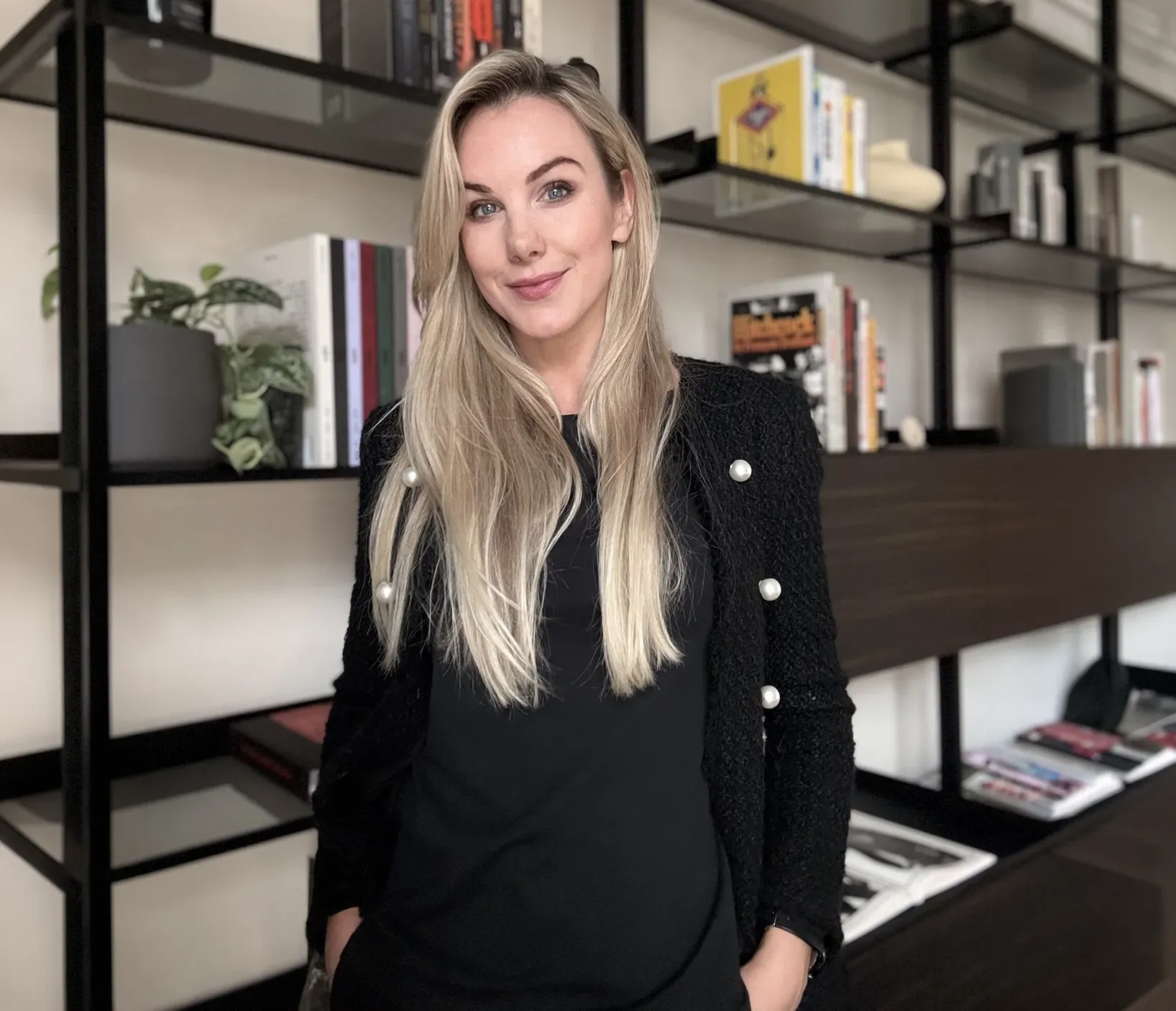
We’re kicking off a new series of conversations with the team behind Gold Rush Pictures with Lota Dascioraite, Creative Director and Producer, based in London. Lota shares her thoughts on the films she loves, what draws her to a project, and how she sees Gold Rush evolving.
What first drew you to film, and was there a particular moment when you knew this was the industry you wanted to be part of?
I’m not coming from the film industry, but from a creative visual arts background. Film always felt to me like pure alchemy: it takes years of dedication to create a magical couple of hours on screen. A filmmaker has to find this very delicate balance between concept, casting, dialogue, composition, music, pace… everything has to align for it to work. Since childhood, I was very aware of how powerful each element is. There are films I remember only because of the music. In others, it’s just one scene or one visual that stays with you forever. So I don’t think there was one specific moment; it was more a growing curiosity. I always wanted to understand how this magic actually happens from the inside, what the process is, the nuts and bolts of it all.
What kinds of stories or films do you personally find yourself most drawn to?
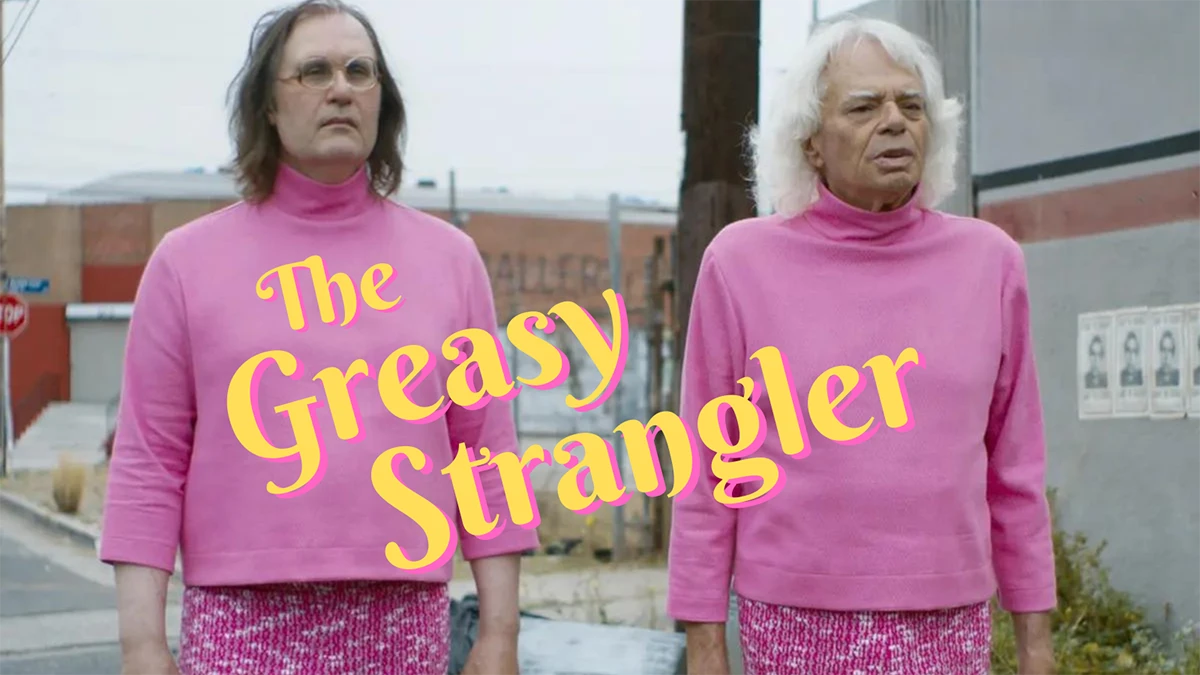
I enjoy weird, dark, grotesque comedies, like The Greasy Strangler by Jim Hosking. I really like the deadpan observational humour of Nordic cinema - Roy Andersson is a favourite. The 1969 film The Cremator by Juraj Herz is so perfect: strange, dark, and holding up a mirror. And of course anything by the Coen Brothers. At the same time, in these quite turbulent times, when everything is so fast and high-dopamine, I find myself really drawn to a quiet comfort in watching slower works that have a calming effect. Films like My Dinner with Andre, Jeanne Dielman, or Perfect Days.
Are there any filmmakers or projects that have had a lasting influence on your taste?
Hitchcock, Kubrick, Lynch and Tarkovsky. Impeccable taste, almost excruciating attention to detail and craftsmanship - just perfection. Coming from a photography and fine arts background, I find that this is what strikes me every time I rewatch their films: the precision, the composition, the control. It really shaped my visual aesthetic and the way I look at cinema.

Do you look up to any producers who have shaped the kind of work you want to champion?
I really admire everything that Christine Vachon, Ed Guiney and Ted Hope have produced. They are incredibly brave and bold in their choices and very supportive in fighting for their filmmakers and protecting their vision.
Gold Rush has been active across a number of international productions – how important is that global perspective to the company?
We are a very international team, and that was always the intention of GRP founder, Vladimir Zemtsov - to bring together people from different backgrounds and origins. It makes even our dinner conversations incredibly interesting because everyone has a completely different perspective on everything. That feels very aligned with the kind of cinema we’re drawn to. There is no single direction for us, we’re very open to different cultures, different points of view, discovering histories, and stories told through very colourful narratives. But underneath all that international diversity of projects, there is always the same foundation: a shared humanity that connects everyone, regardless of geography, through universal themes, such as fighting injustice, striving for freedom, searching for love and meaning.
How would you describe the creative identity or ambition behind Gold Rush Pictures today?
I could draw a parallel with a restaurant: there are Michelin, classic, and fast food places where you know exactly what you’re going to get when you walk through the door. We’d like to think of ourselves at GRP more as a gourmet spot: the menu is unexpected and a bit experimental. We truffle-hunt for talent: people who bring something fresh to the table and can surprise you each time. The ambition is to build a European studio for bold, visually authored cinema that sits somewhere between arthouse and the unconventional.
What do you look for when deciding to get involved in a project?
I always look for originality first: has it been done before? Is there something new and thought-provoking in the idea? And does it have the potential to still feel relevant in five or ten years’ time? The second thing is the filmmaker’s visual language. Could the frames of the film stand alone as a fine art photograph? What are the references? It’s about framing, composition, colour: film is a visual medium first and foremost, and having an eye is absolutely crucial.
With the expansion into Germany and wider European activity, how do you see the company evolving over the next few years?
Yes, we were very lucky to have a talented producer and director, Feo Aladag, join our team in Germany this February. We get along very well and share a passion for meaningful storytelling. We’re also opening our Paris office this year. Having said that, we are living in such unpredictable and volatile times that making any grand long-term plans in this ever-changing industry feels a bit pointless. What feels more important is to stay flexible and ready for any kind of disruption. With the rapid development of AI, we are actively exploring how to incorporate these tools into our production process. You can’t really run from or ignore the inevitable, so for us, it’s more about understanding and engaging with that space, rather than focusing only on geography.
What are you most excited about in the current or upcoming slate?
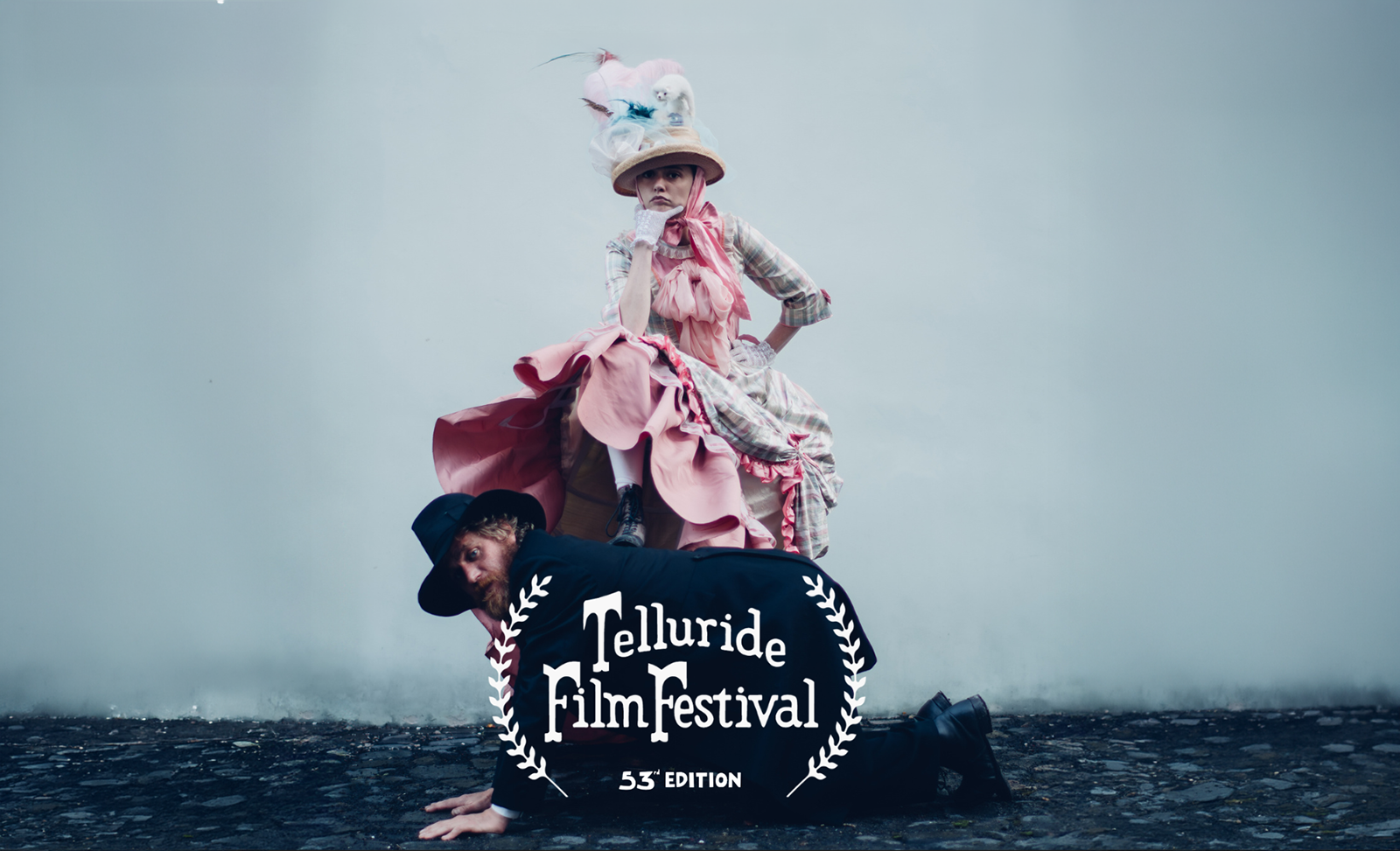
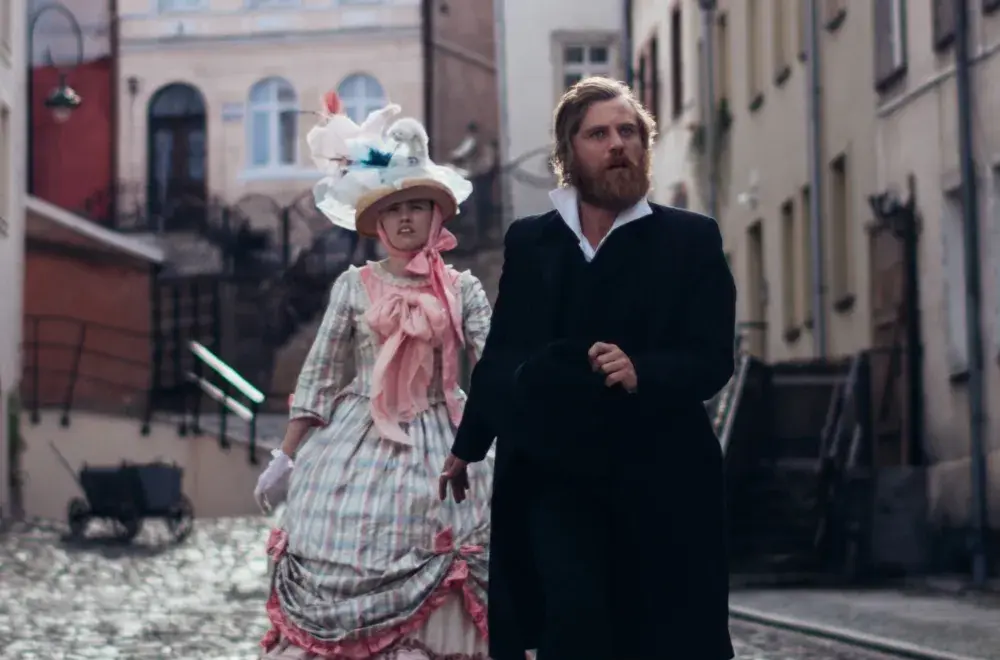
We are currently in post-production on our film The Idiot(s), directed by Małgorzata Szumowska and Michał Englert, starring Aimee Lou Wood, Johnny Flynn, Christian Friedel and Vicky Krieps. It’s a co-production with Ilya Stewart at Hype Studios, and tells a rather strange, intimate story set in a moment in the life of Fyodor Dostoyevsky and his wife Anna, while he was writing The Idiot. One of the things I’m excited about right now is our collaboration with Berlinale Talents Lab this year. We’re sponsoring the award, which feels very aligned with what we want to do as a company. I’m always very curious about emerging filmmakers and what they are thinking about, what they are experimenting with. It’s one of the most exciting, almost addictive parts of being in this industry, because no project is ever the same, and there are always new, fresh perspectives coming through. Filmmakers are also the most interesting people to talk to: everyone approaches cinema differently, focuses on different aspects, but ultimately with the same goal: to create something meaningful, whether it’s a film, a series, a documentary or a short.
And finally – if you had to recommend one film everyone should watch, what would it be?
The Zone of Interest by Jonathan Glazer. It really struck me, I’ve seen it many times. It’s a reminder that evil is never far away. It lives next door, it can be banal, almost mundane. I think it resonates with me so strongly because I was born and grew up in the Soviet Union, and I saw something of that first-hand: how people can live comfortably, even happily, while remaining complicit in, or simply indifferent to, immense suffering happening just on the other side of the fence.
%20Lead%20Images06%20(1).webp)
